English Ocean Vocabulary for Kids
English Ocean Vocabulary for Kids: Words and Activities starts with about fifteen core words — ocean, wave, shell, dolphin, crab — that a young child can learn in a single week of short, playful sessions. The sea is a theme most children already love, so new words stick fast when you tie each one to a picture, a sound, or a movement. This article gives you a teachable word set, simple sentences to model, and age-by-age activities for kids 4 to 15. You do not need a beach trip or a big budget. A few minutes a day, a handful of pictures, and a little repetition carry a child from "fish" to a confident little sea report.
Core Ocean Words to Start With
Begin with nouns a child can see and point to, then add a few verbs for movement. Keep the first set small — around fifteen words is plenty for a young learner, and you can always grow it next month.
Say each word, show the picture, and ask your child to repeat it. Three words a day is a comfortable pace for ages 4 to 6; older children can take the whole list in two sittings.
Ocean Words in Real Sentences
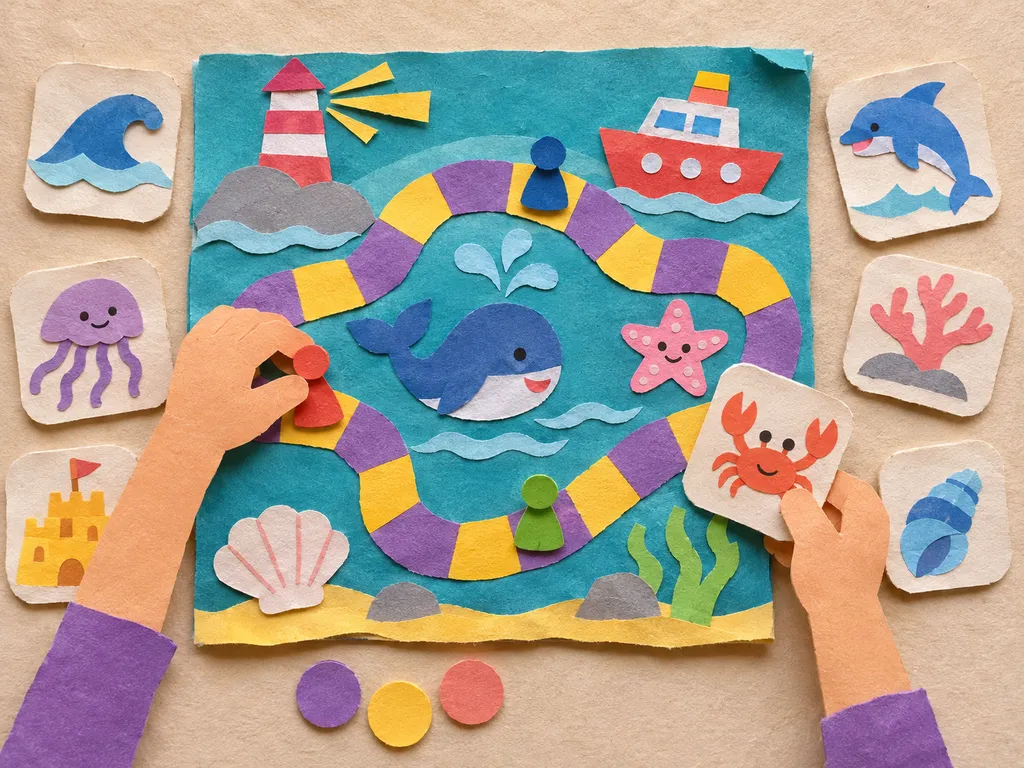
Single words fade fast, but short sentences give them a job. Model two or three plain sentences for every new word, then let your child change one part. "The dolphin jumps" becomes "The dolphin swims," then "The whale swims."
Build small questions too, because they turn learning into talk. Ask "What colour is the fish?" or "Where is the crab?" and accept any sensible answer. Across LearnLink lessons, this swap from naming to using is where real speaking begins — a child who can ask "Can you see the shark?" owns the word far better than one who only recites it.
Stretch the strongest learners with two linked ideas: "The wave is big, so the boat moves." Keep the second clause short and concrete.
Activities by Age
Good English Ocean Vocabulary for Kids: Words and Activities should match a child's stage, not just their enthusiasm. The same word list works for every age — only the activity changes.
Ages 4 to 6: Play "I spy" with picture cards. Hide shell and fish cards around the room and call out the word your child must find. Add movement — "swim like a dolphin," "walk like a crab" — so the word lives in the body, not only the ear.
Ages 7 to 10: Draw and label an ocean scene. The child writes "wave," "boat," and "seaweed" on the right spots, then tells you one sentence about each. A simple sorting game also helps: group words into animals, plants, and places.
Ages 11 to 15: Ask for a short spoken report — five sentences about life in the ocean — or a mini fact card about one animal. At this age, the goal is fluent, connected speech, so let them research one real creature and present it in English.
Everyday Practice Ideas
Little and often beats one long session. Five minutes before dinner, a word on the bathroom mirror, a quick quiz in the car — this is how English Ocean Vocabulary for Kids: Words and Activities turns into lasting memory. Repetition across different moments matters more than any single lesson.
Mix the senses. Watch a two-minute clip of a coral reef and pause to name what you see. Build a crab from clay and say its parts. Read one picture book about the sea and point to each animal as it appears. Online lessons add the missing piece many homes lack: a patient speaking partner. With experienced tutors, a child hears the words used in real conversation and answers out loud, which is exactly what fixes pronunciation and word order.
Try This Five-minute Game
Say three words — for example, whale, boat, shell. Your child makes one sentence that uses all three, such as "The whale swims near the boat and the shell." Then swap roles and let your child choose the three words for you. Silly sentences are welcome; they help the words stick.
Common Mistakes and How to Fix Them
A few errors show up again and again when families teach English Ocean Vocabulary for Kids: Words and Activities. None of them signal a problem — they are normal steps on the way to fluency. The table below pairs each slip with a quick fix you can use the same day.
Correct gently and move on. Repeat the right version once, let your child say it, and keep the mood light so the sea stays fun.
- Practice 5 ocean words daily using flashcards with pictures, not translations.
- Watch one short ocean-themed video together and repeat new words aloud three times.
- Play a matching game pairing sea animal names with their pictures for 10 minutes.
- Read one short ocean story tonight and ask your child to point to known words.
- Label three household items with ocean-related words to reinforce spelling this week.
When a word has several meanings or pronunciations, Cambridge Dictionary is a useful check before turning it into child-friendly examples.
Frequently Asked Questions
How Many Ocean Words Should My Child Learn First?
Start with about fifteen core words — the ones a child can see and point to, like fish, wave, shell, and dolphin. For ages 4 to 6, three new words a day is a comfortable pace; older children can take the full set in a sitting or two. A small set learned well beats a long list half-remembered. Once those words feel easy in short sentences, add a second group such as coral, seaweed, and tide.
What Age Is Best to Begin Ocean Vocabulary?
Any age from four works, because the sea is concrete and children already meet it in books and films. Younger kids learn through pictures, songs, and movement; older ones enjoy facts about real animals and can give short spoken reports. The theme stretches easily, so the same word list serves a five-year-old and a teenager with only the activity changing.
Do I Need a Beach Trip to Teach These Words?
No. Picture cards, a short reef video, a clay crab, and one sea picture book cover everything a child needs. A good set of English Ocean Vocabulary for Kids: Words and Activities depends on repetition and real talk, not on travel. A few minutes a day at the kitchen table does more than one rare day by the water.
How Can I Tell If My Child Is Really Learning the Words?
Listen for the words in your child's own sentences, not just in repetition after you. If they can answer "Where is the crab?" or ask you "Can you see the whale?", the word has moved from memory into use. Spontaneous questions and small mistakes that self-correct are strong signs of real progress, far more than a perfect flashcard score.
If your child needs steady speaking practice, start small — choose a trial lesson.
Stay updated on our latest tips and resources by following us on Instagram LearnLink.